
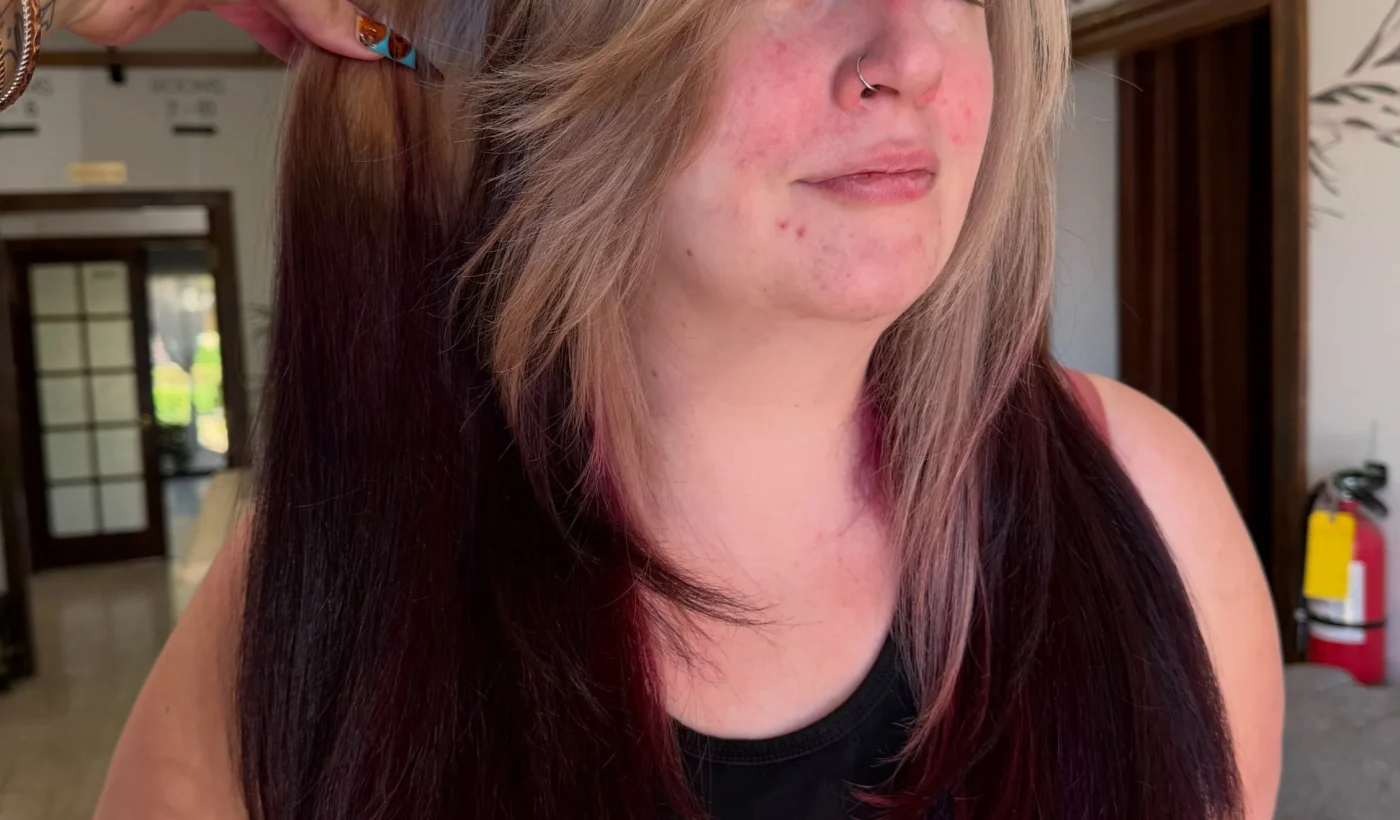
Reverse ombre hair color turns the usual fade upside down. The lightest shade sits at the top, and the colour deepens as it travels down. That simple switch makes the ends feel richer and bolder.
The variety here is wider than it first looks. Some ideas keep the change soft, with blonde melting into brown. Others go vivid, with magenta, blue, red, or orange taking over the lower lengths. Lengths range from shoulder length waves to very long hair, curl patterns range from straight to loose waves, and the darker colour starts at different points, near the crown in some looks and only near the tips in others.
Each idea below comes with its own photo, a note on who it tends to suit, and one tip. Use the list by looking at the end colour first, then the curl shape, then the length. Save two or three favourites and compare them before you decide.
Ready to find the version that feels like you? Work through the ideas below and notice which end colour you keep coming back to.
1. Blonde to Magenta Reverse Ombre
 Pin
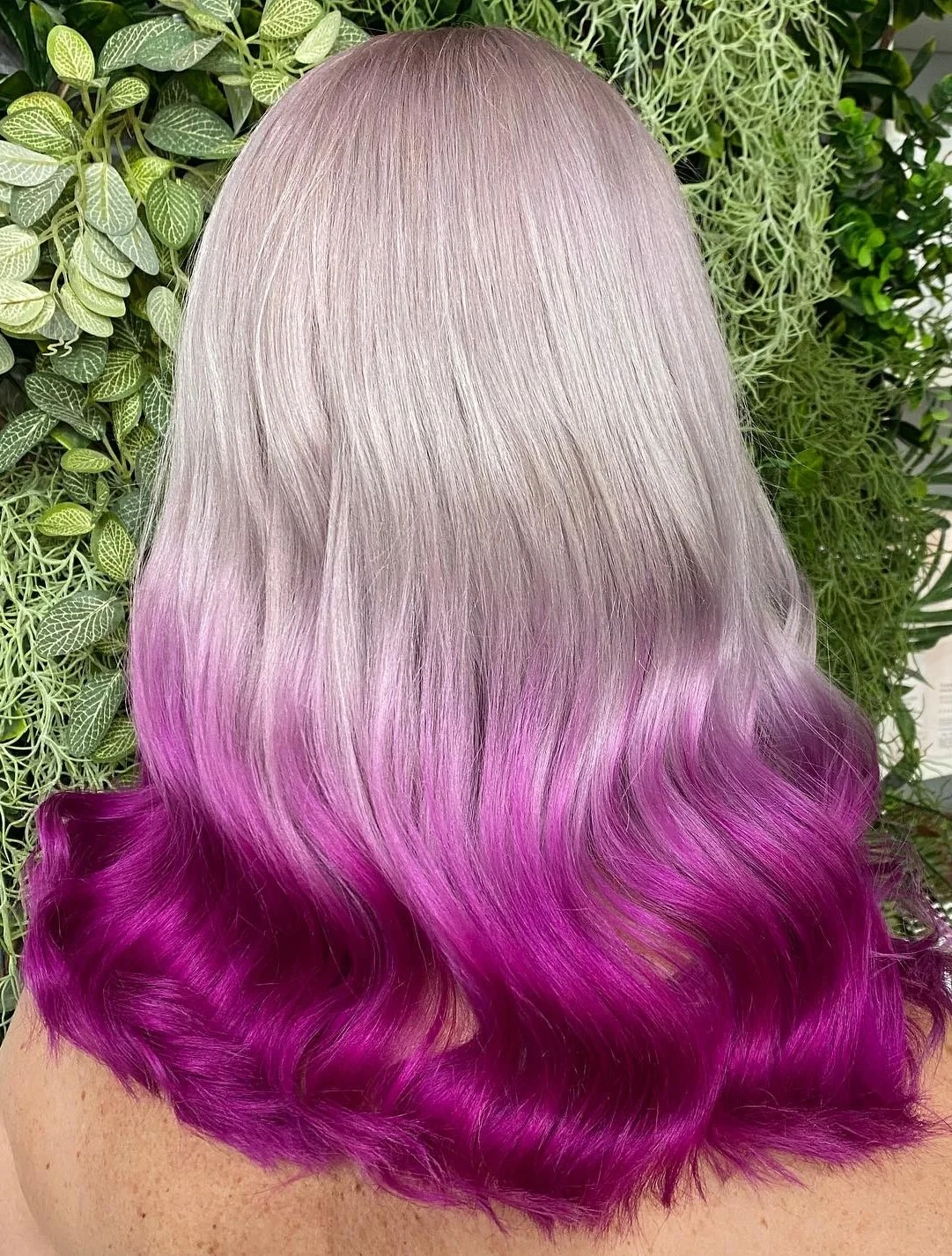
Ash blonde roots soften into long, smooth lengths before giving way to a rich magenta at the ends. The melt sits low enough to keep the top light and bright, while the magenta still reads as the star of the look. It is a strong contrast, but the blend keeps it from feeling harsh.
This suits long, straight to lightly waved hair and cooler skin tones, where the pink depth can really stand out. It also works well if you like a statement colour but want to keep your roots easy to grow out.
Wash with a colour safe shampoo and finish with cool water to slow fading. If magenta feels bold, that is the point. Wear it with the confidence it already gives you.
2. Pink to Magenta Reverse Ombre
 Pin
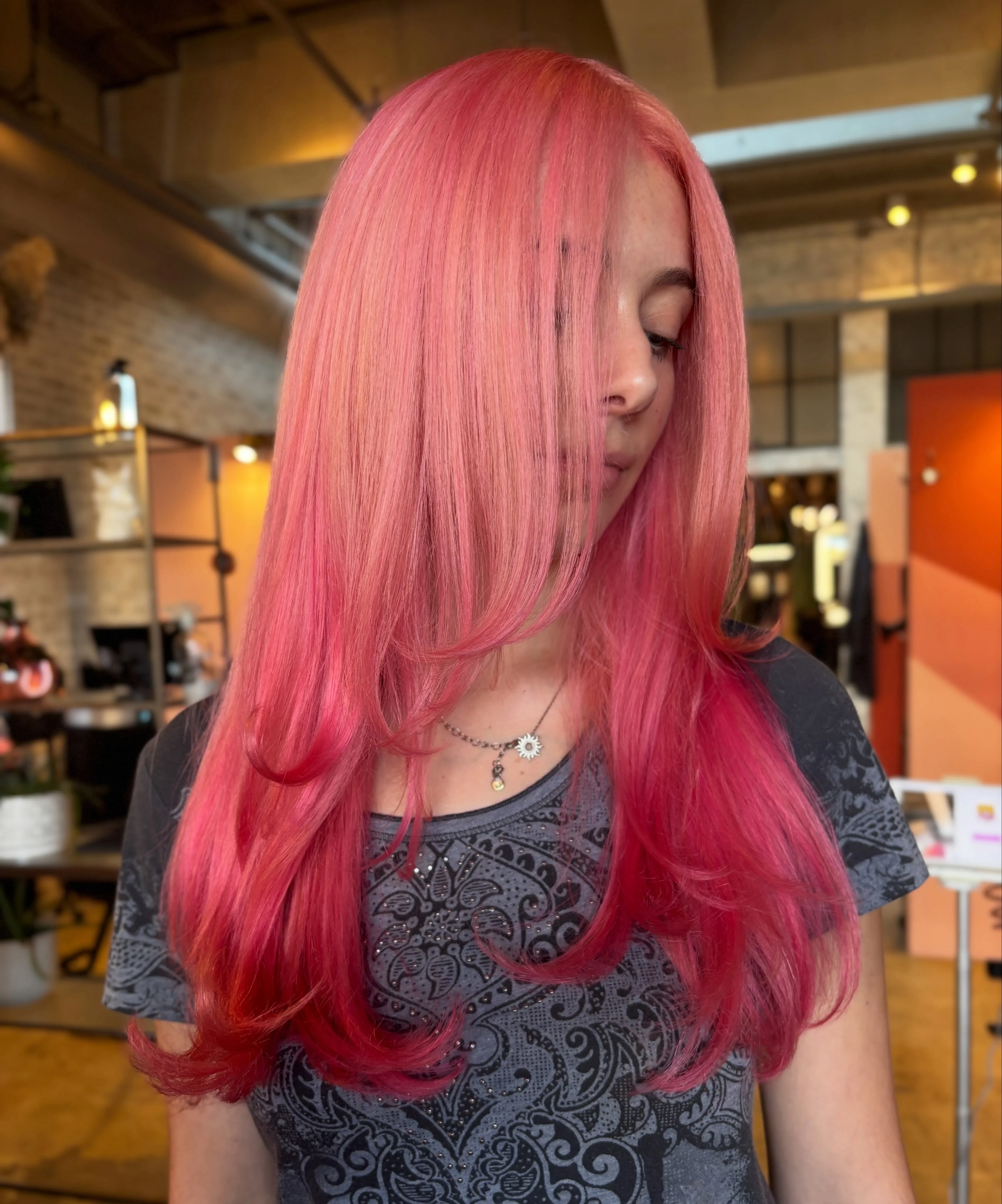
Light pink at the roots deepens gradually into a fuller magenta toward the ends. Because both shades sit in the same colour family, the change feels smooth rather than sharp. Shorter layers around the face help the pink stay visible instead of getting lost underneath.
This is a good pick for medium length hair and for anyone who wants pink without going neon. It flatters warm and neutral skin tones, and it suits fine to medium hair that holds a soft, rounded shape.
Refresh the pink with a tinted conditioner between colour sessions, and keep heat styling low for the first few washes so the lighter roots stay even.
3. Platinum Blonde to Purple and Blue
 Pin
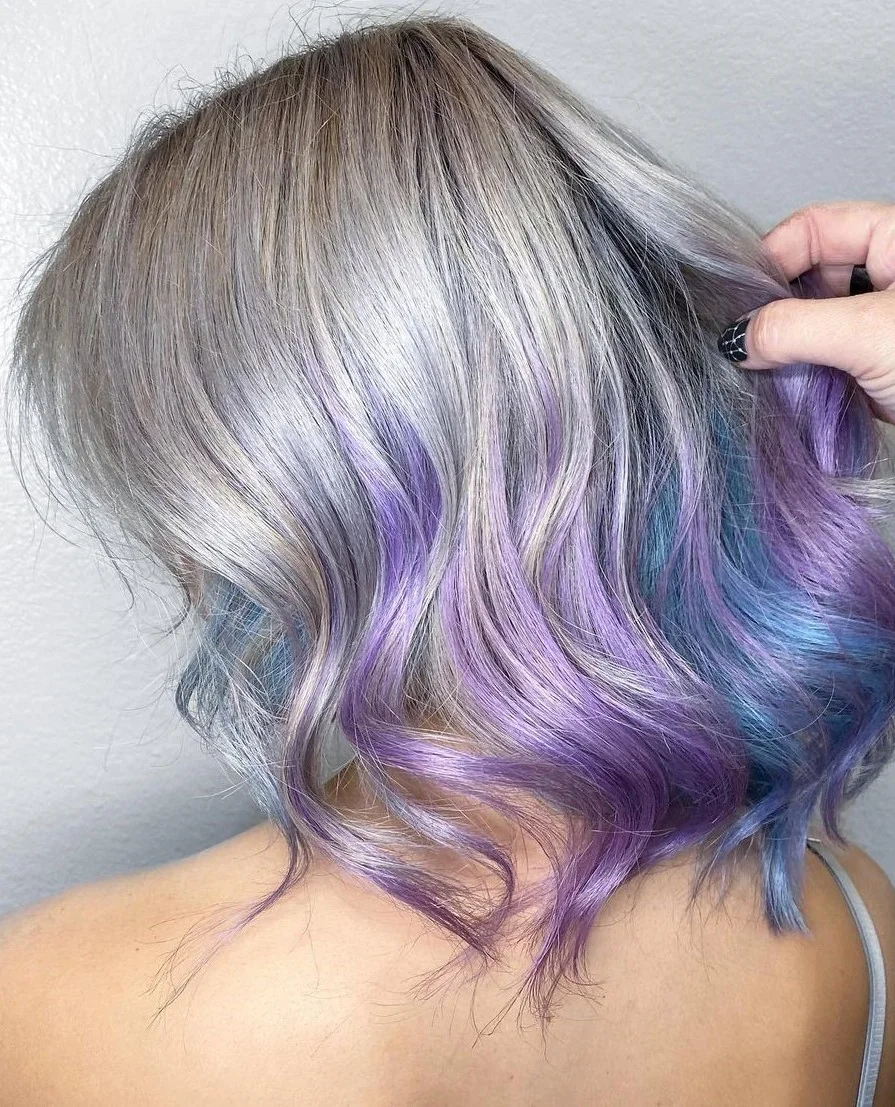
Platinum blonde roots flow into gentle waves, then shift into a mix of blue and purple at the ends. The two cool tones sit side by side, so the lower lengths look dimensional instead of flat. A soft wave helps the colours catch the light in different places.
This suits long, wavy hair and cooler complexions, where icy blonde and cool fantasy shades work together. It is also a useful choice if you already have platinum hair and want colour without touching the roots.
Use a purple toning shampoo once a week to keep the blonde from turning yellow, and avoid daily hot tools on the coloured ends.
4. Platinum Blonde to Neon Orange
 Pin
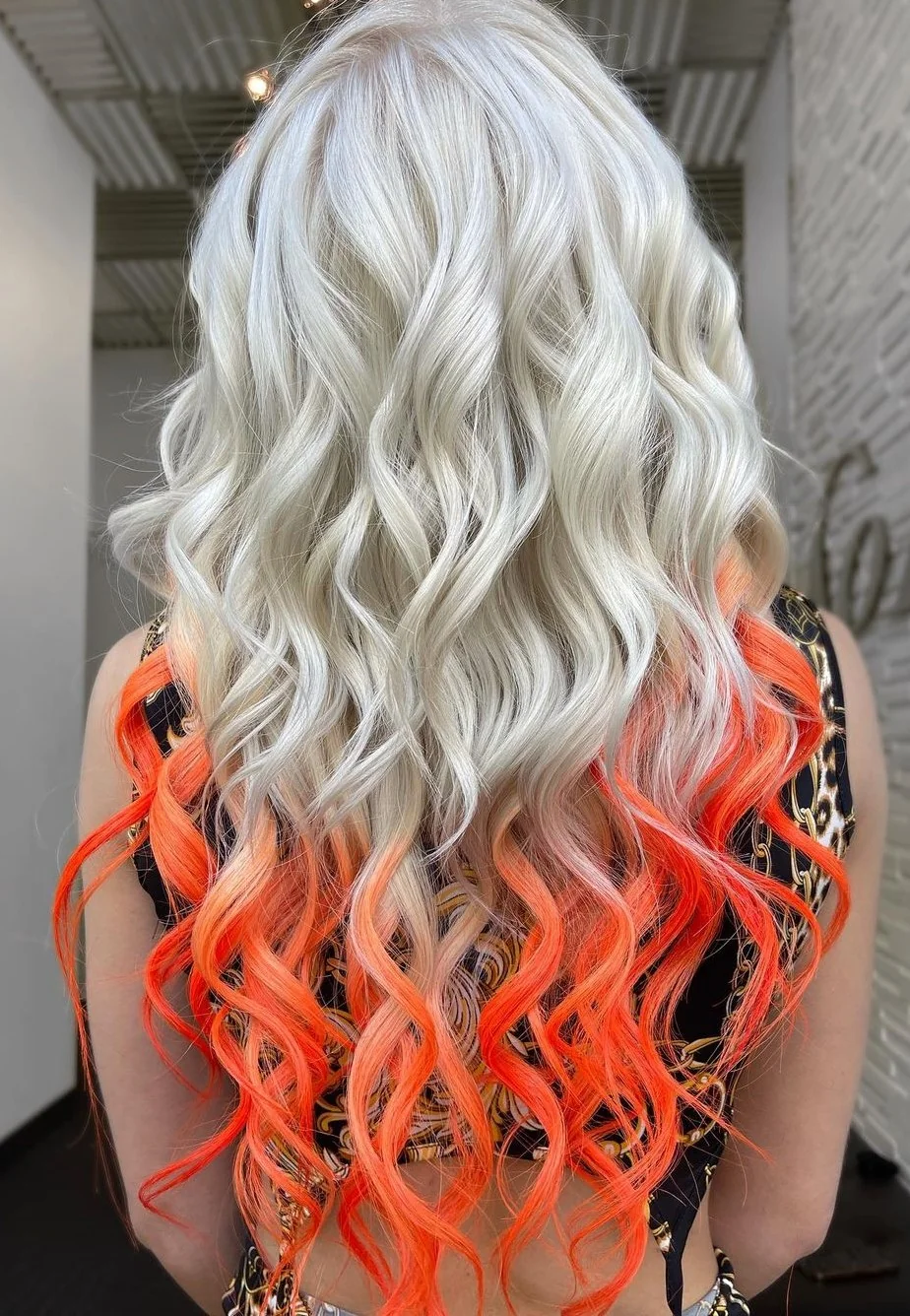
Want a colour that people notice from across the room? White blonde roots stay clean and bright through the mid lengths, then give way to vivid orange at the tips. The orange is concentrated at the ends, so the look stays wearable even though the colour is loud.
This flatters long, straight hair and textured waves equally, because the straight version shows the colour block clearly and waves break it into bright flashes. It suits confident colour wearers and anyone bored of natural reds.
Protect the orange with a UV spray outdoors, since bright warm shades fade faster in strong sun, and rinse with lukewarm water rather than hot water.
5. Blonde to Burgundy Reverse Ombre
 Pin
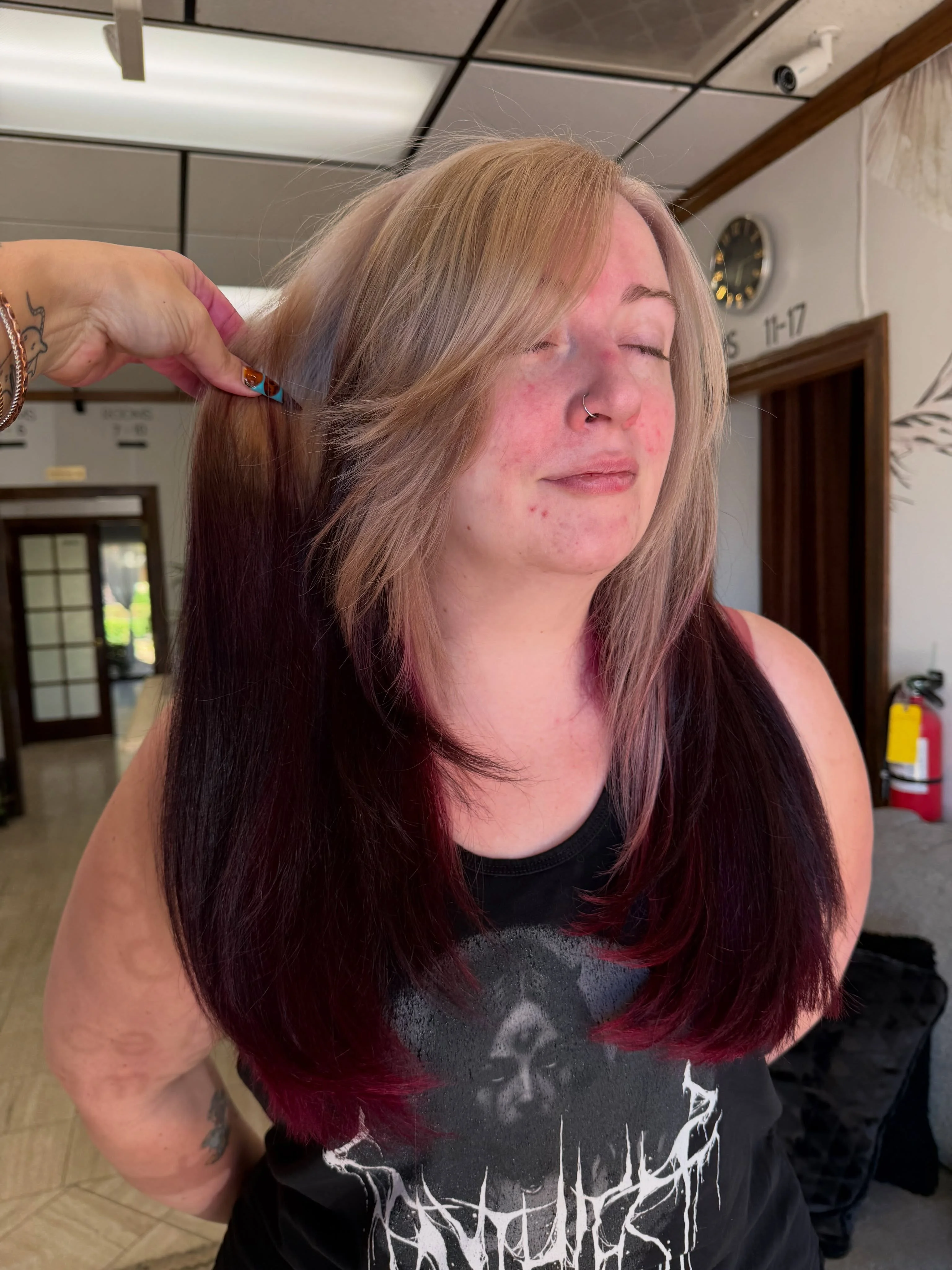
Blonde upper layers sit over long, dark burgundy underneath, so the darker shade reveals itself as the hair moves. That layered effect gives the colour depth, and the burgundy reads as rich wine rather than flat red. The contrast is clear without needing a hard line.
This suits long hair with layers, and it works for medium to thick hair that can carry two visible colour levels. It also flatters warm skin tones, where burgundy adds warmth without clashing. For more inspiration, explore these underlayer hair color ideas for hidden dark layers.
Use a colour depositing mask in a red or burgundy tone every few weeks to keep the under layers from turning brown as they fade.
6. Ash Blonde to Deep Blue
 Pin
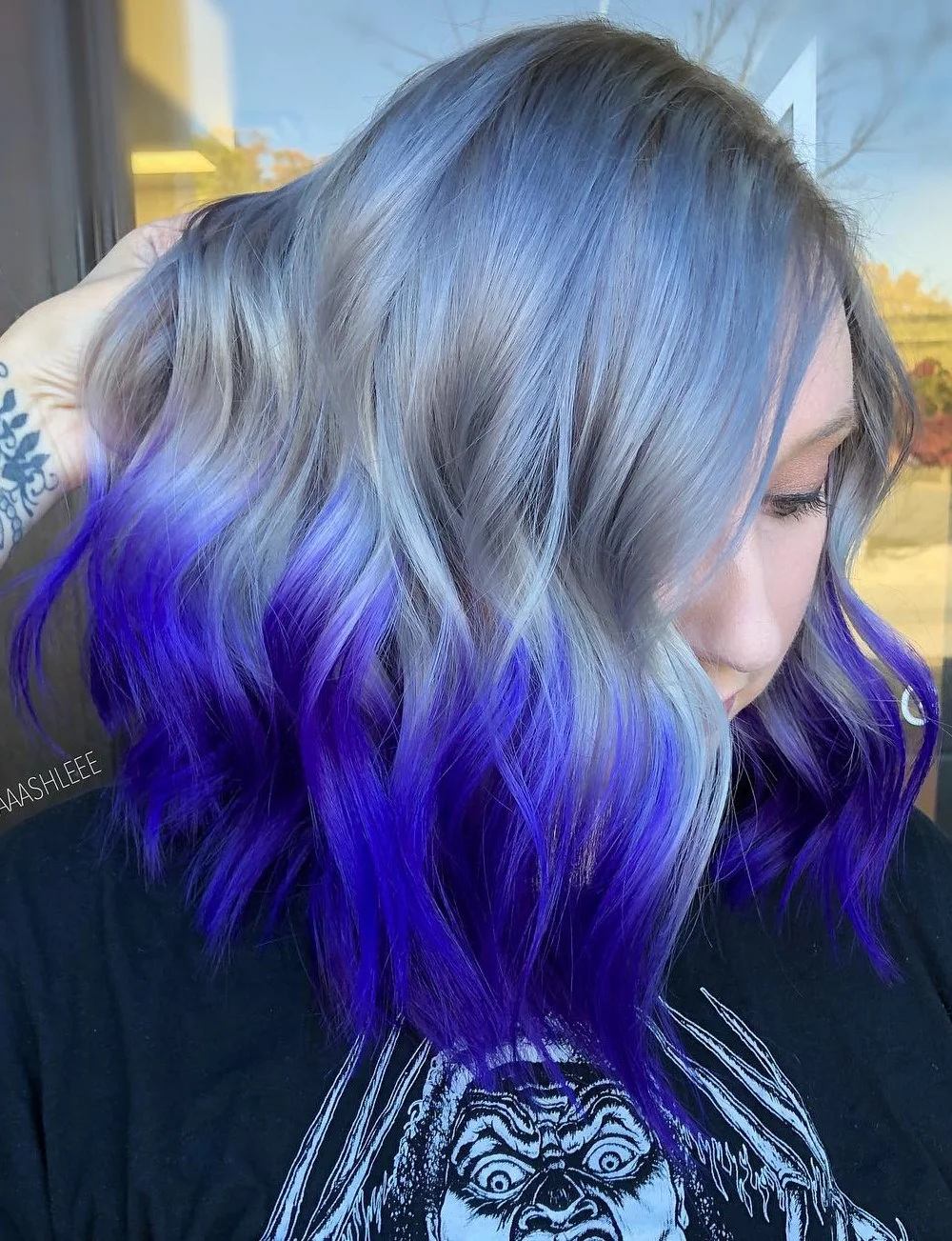
Ash blonde roots melt through soft pastel blue strands before settling into a deep ultramarine blue at the ends. The middle pastel section is what makes this work, because it stops the blonde and the blue from meeting in a harsh line. Long, smooth lengths show the full gradient best.
This suits cooler complexions and long hair, and it is a strong choice if you love blue but want something more wearable than a single flat shade. Fine hair benefits too, since the layered colour adds visual depth.
Seal the blue with a gloss treatment when it starts to look dull, and skip clarifying shampoo, which strips blue faster than most colours. Wear it boldly, because deep blue was made to be noticed.
7. Fiery Red to Black
 Pin
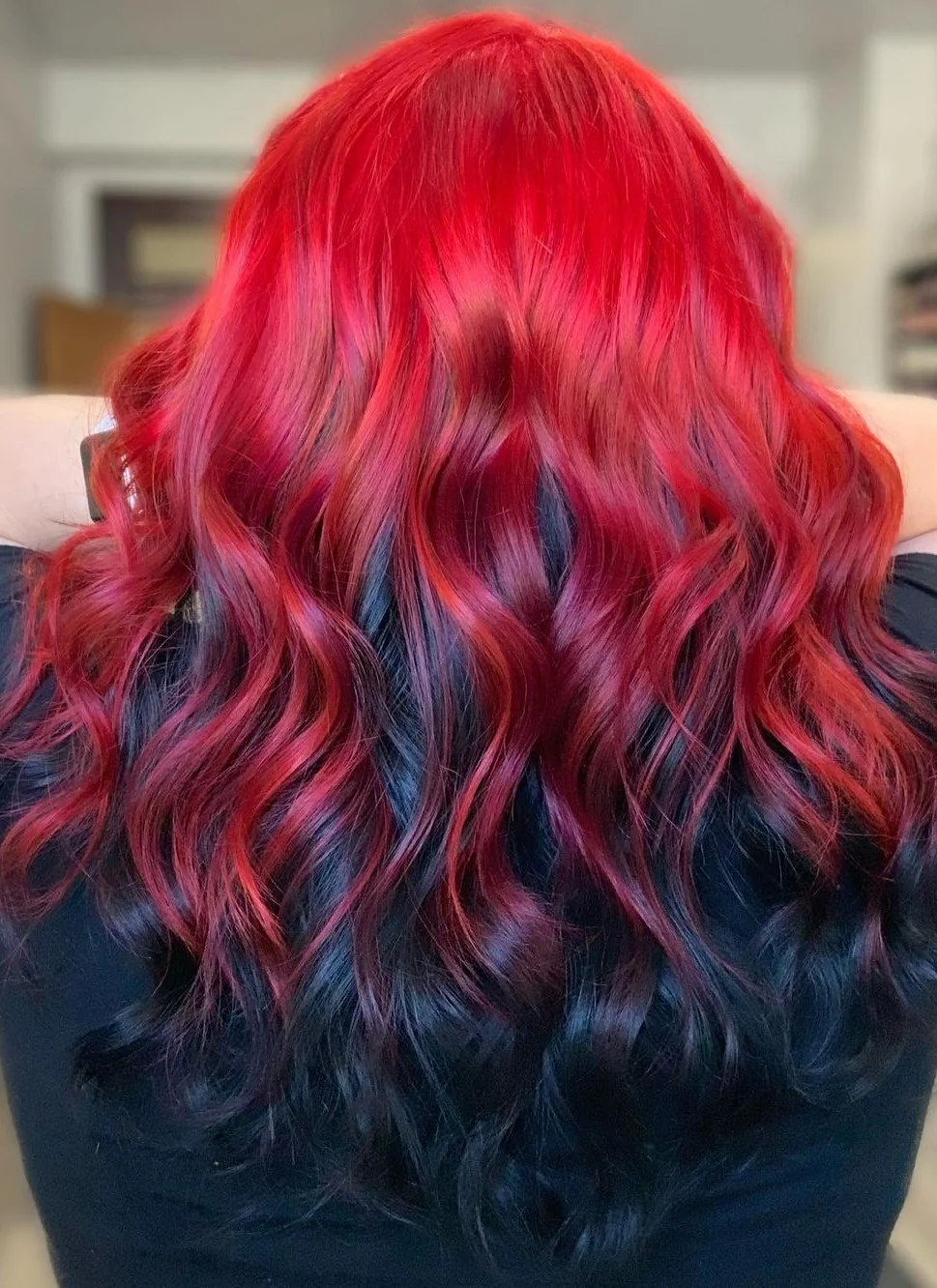
Love red but want it to feel edgier? Bright red at the top makes an immediate statement, then jet black ends ground the look and sharpen the contrast. The red stays vivid near the face, where it brightens the whole style, while the black keeps the lower lengths sleek.
This suits long, straight to wavy hair and medium to thick textures that hold the red well. It flatters warm skin tones and anyone who already wears red well in clothing or makeup.
Keep the red vivid by washing less often and using a red colour safe conditioner, since red pigment washes out faster than darker shades.
8. Warm Brown to Black, Layered
 Pin
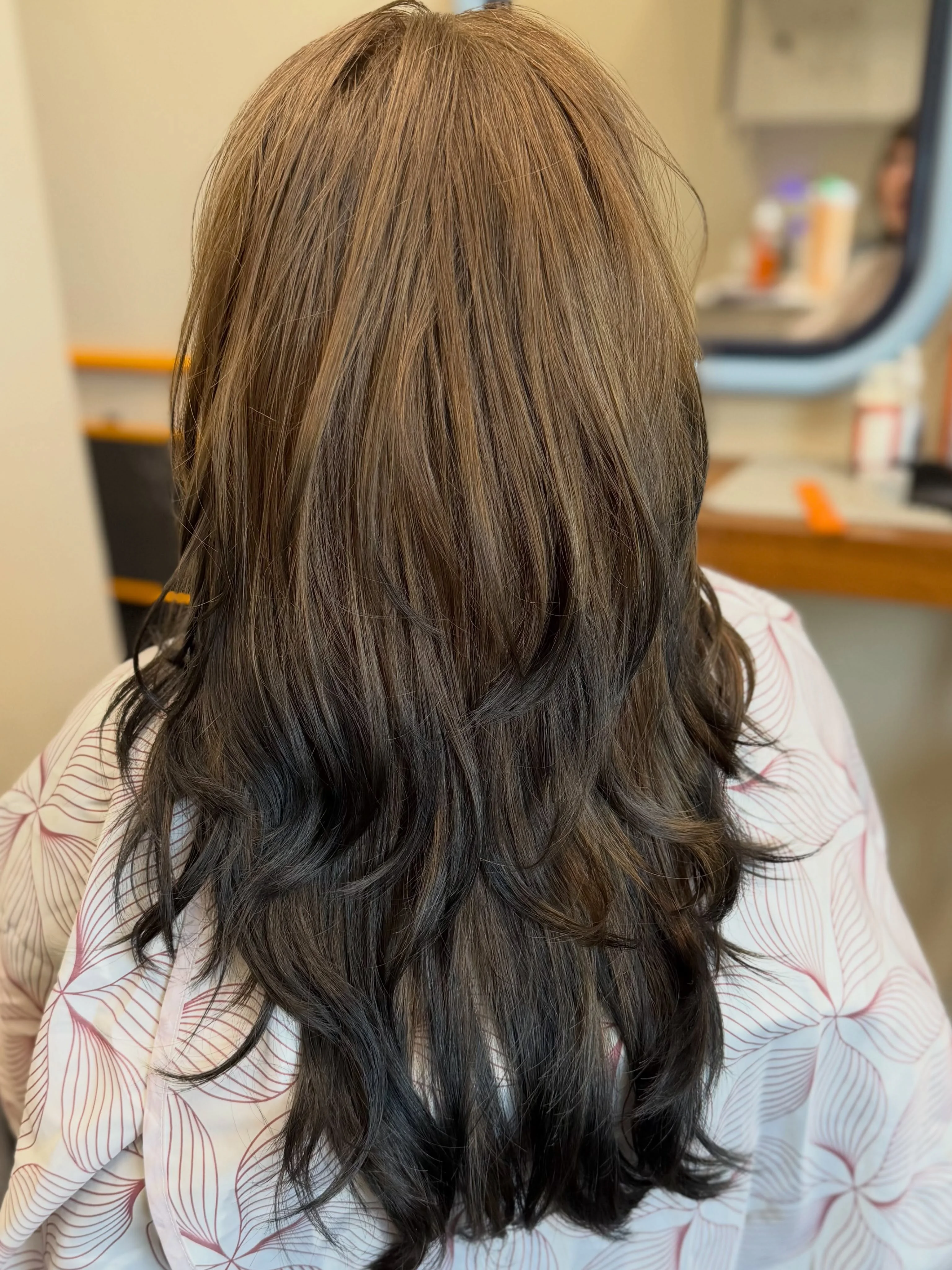
Warm medium brown roots and upper lengths gradually darken into near black ends. Layers through the mid lengths and ends let the darker shade show in stages, rather than as one solid block. The result looks like a lived in colour with a darker finish.
This suits long, layered, wavy hair and people who want a natural looking reverse ombre. It is an easy step if you already have brown hair and do not want a vivid fantasy shade.
Use a lightweight leave in conditioner on the ends only, so the darker lengths stay glossy without weighing the roots down.
9. Strawberry Blonde Money Piece with Berry Pink
 Pin
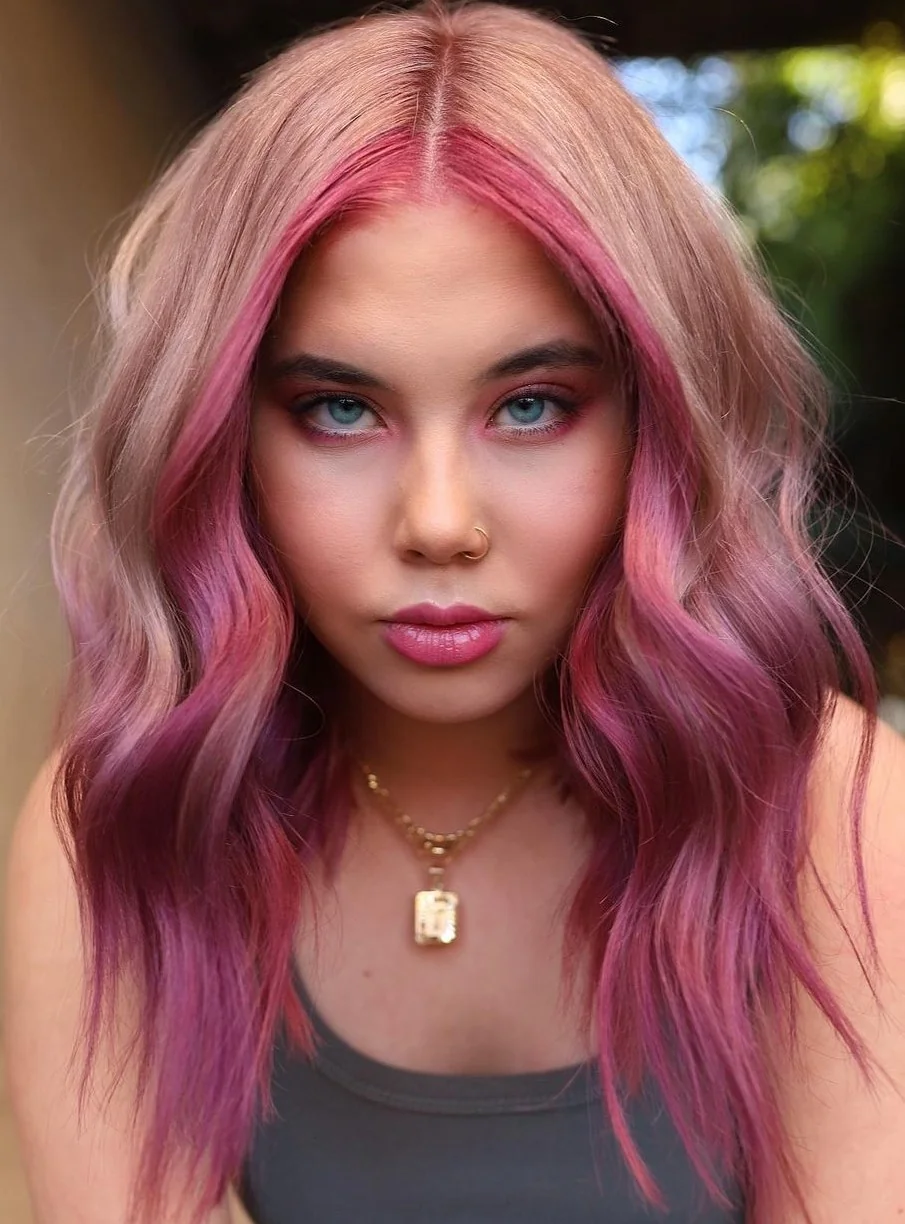
Strawberry blonde roots combine with berry pink face framing pieces, so the brightest colour sits right around the face. The rest of the hair stays softer, which makes the pink framing stand out without colouring the whole head pink. It is a clever mix of two popular colour ideas in one style.
This suits long hair with a centre or side part, where the face framing pieces can fall naturally. It flatters warm skin tones and anyone who wants colour that shows in photos and in person, not just from behind.
Touch up only the face framing pieces when they fade, rather than recolouring the full length, and use a heat protectant before straightening those front sections.
10. Icy Blonde to Pastel Blue
 Pin
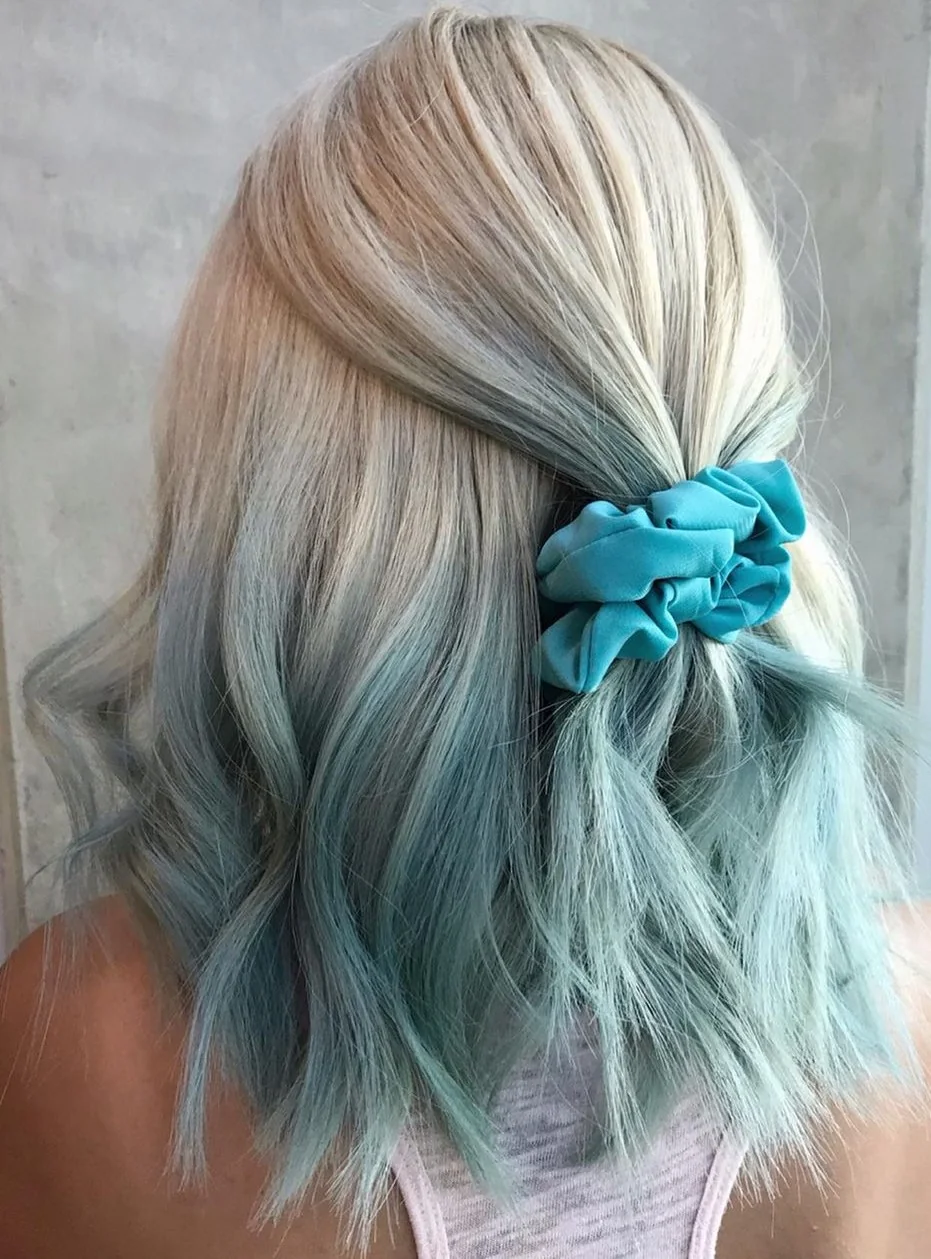
Icy blonde roots melt into muted pastel blue ends in a soft, low contrast gradient. The blue is gentle rather than electric, so the whole look feels calm and pretty. Loose waves help the pastel shade look airy instead of heavy.
This suits long, wavy hair and fair to medium skin tones, where pastel blue can stay visible without overwhelming the face. It is also a good first fantasy colour, because the pastel ends fade gracefully.
Keep the pastel fresh with a blue toning conditioner used sparingly, and avoid over washing in the first week after colouring. Let the softness do the talking, and wear it with quiet confidence.
11. Warm Brown to Black, Extra Long
 Pin
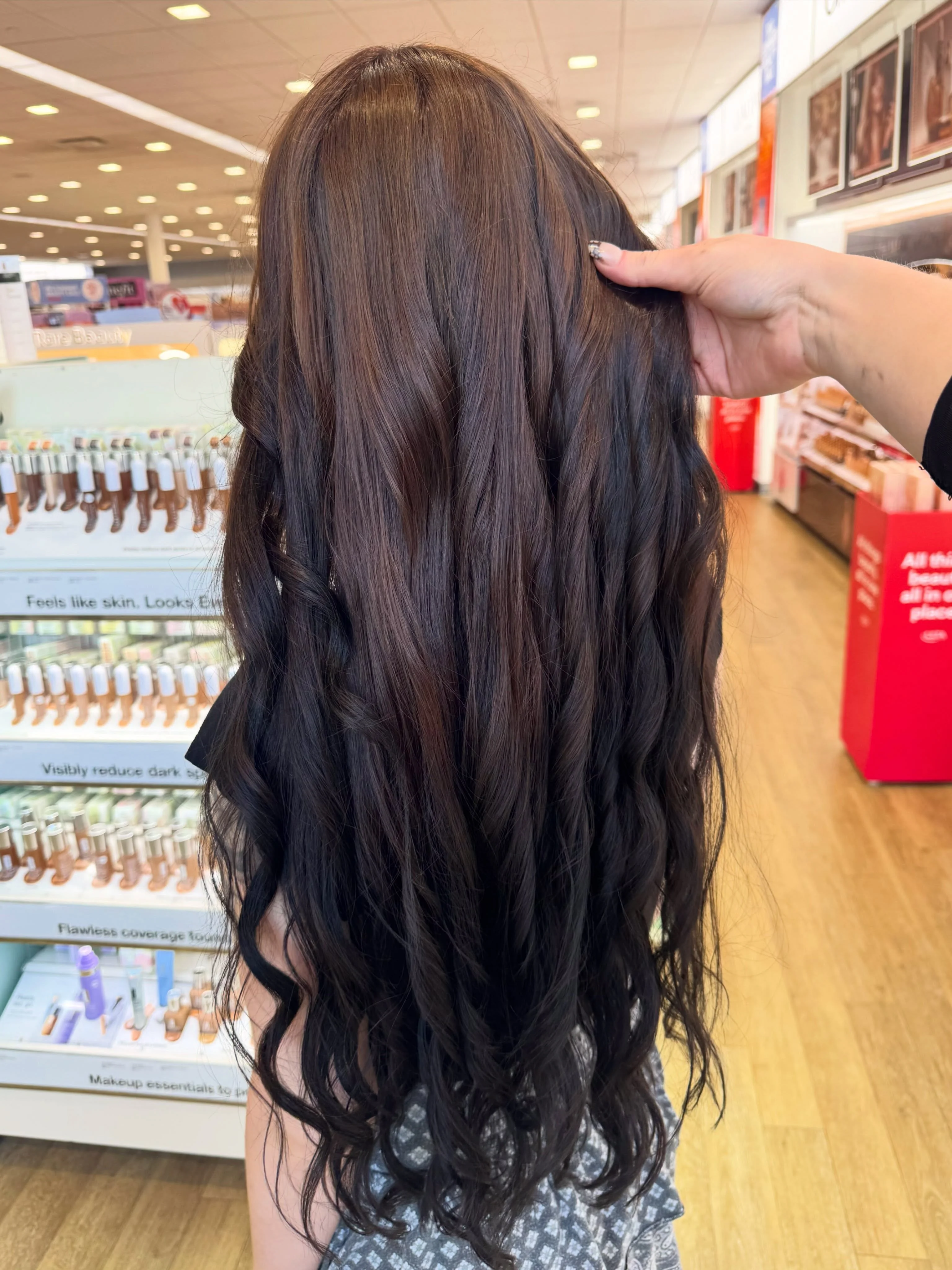
A warm brown crown gradually darkens along very long, voluminous waves until the tips turn deep black. With this much length, the gradient has room to develop slowly, so the change feels glossy and gradual. The waves also catch light differently at the top and the ends, which adds movement.
This suits very long, thick, wavy hair and people who want a dramatic length and colour story together. It works well for anyone who likes low contrast at the roots and a darker finish at the tips.
Trim the very ends regularly, since extra long hair shows split ends sooner, and use a deep conditioning mask on the lower third only.
12. Blonde to Red Reverse Ombre
 Pin
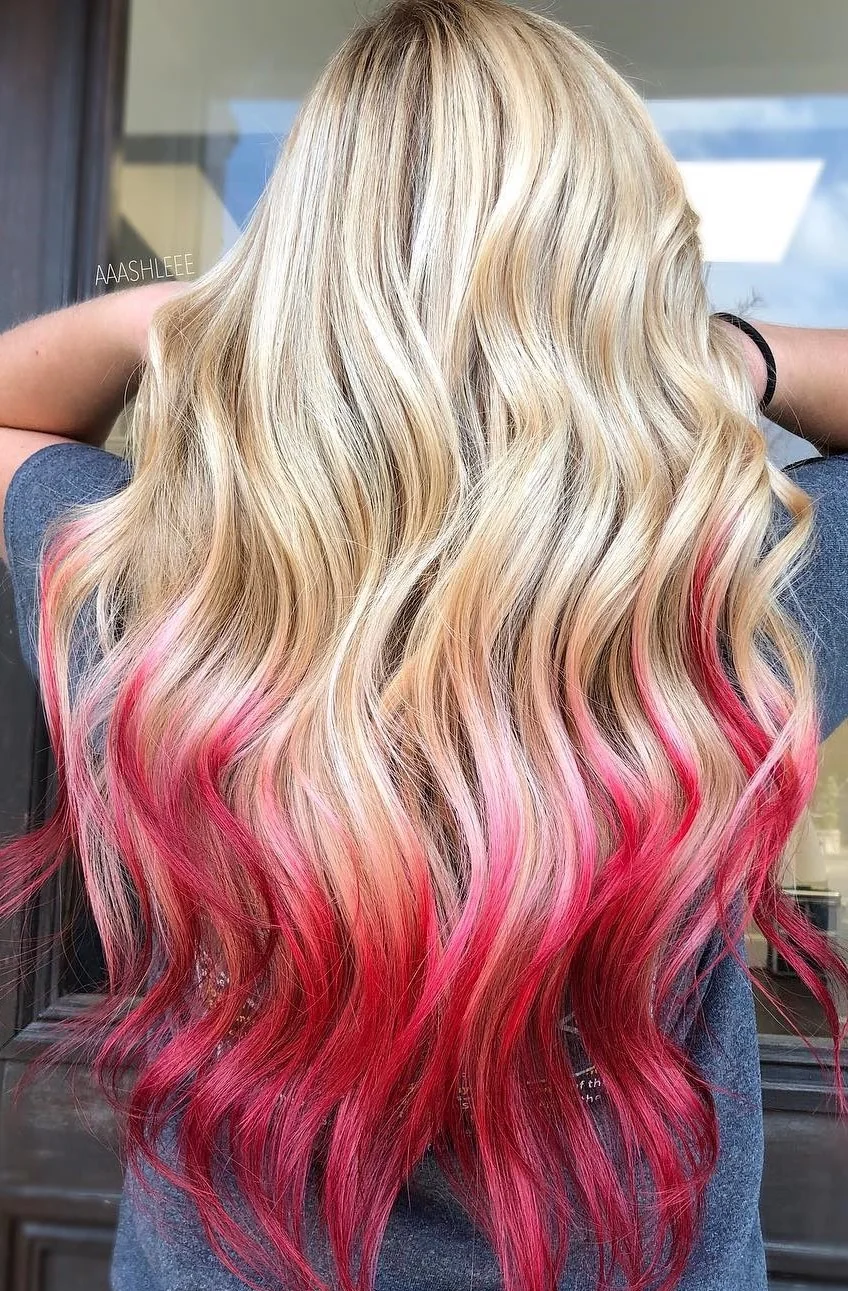
Need a change that still feels feminine and classic? Light blonde roots run through long lengths before turning into a warm red at the ends. The red is rich rather than orange, so it pairs naturally with blonde and keeps the look polished.
This suits long, straight to wavy hair and warm to neutral skin tones. It is a good option if you love blonde but want a warmer, more distinctive finish than blonde alone.
Book a gloss refresh when the red starts to look coppery, rather than waiting until it has faded unevenly, and keep the blonde roots toned so the two shades stay balanced.
13. Rose Gold Purple to Blue and Black
 Pin
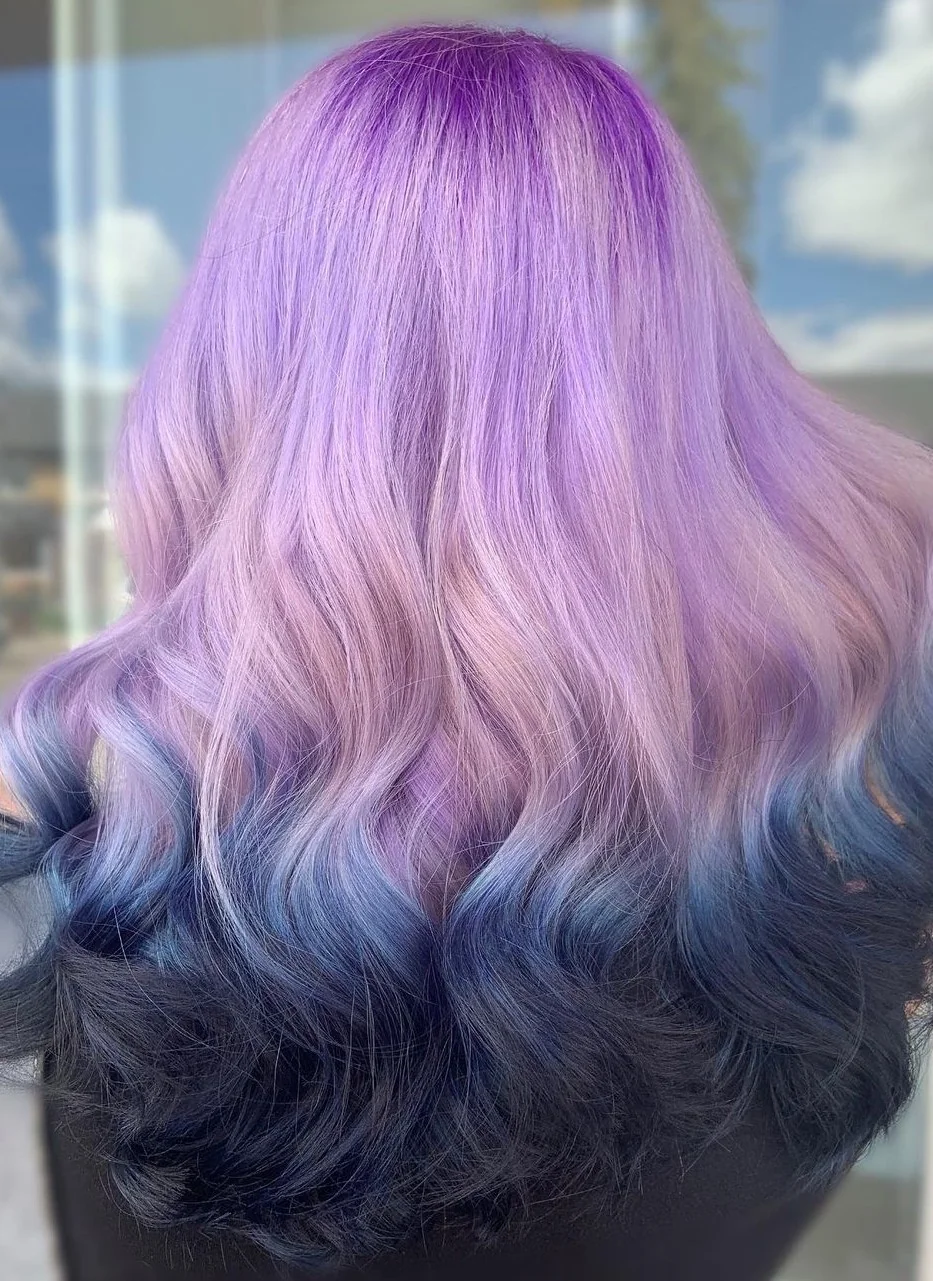
A rose gold blonde base carries different shades of purple through the mid lengths, then melts into blue and finally jet black tips. Three colour stages in one style sounds busy, but the smooth blends keep it cohesive. Each stage gets its own section, so the eye travels down the hair.
This suits long hair and experienced colour wearers who enjoy multi tone work. It flatters cooler skin tones, where purple and blue sit comfortably, and it works best on hair that is already light enough to hold pastel and vivid shades.
Protect multi tone colour by washing in cool water and spacing washes out, since each shade fades at a different rate. You do not need permission to wear three colours at once. This one is proof that more can still look intentional.
14. Light Brown to Black, Shoulder Length Waves
 Pin
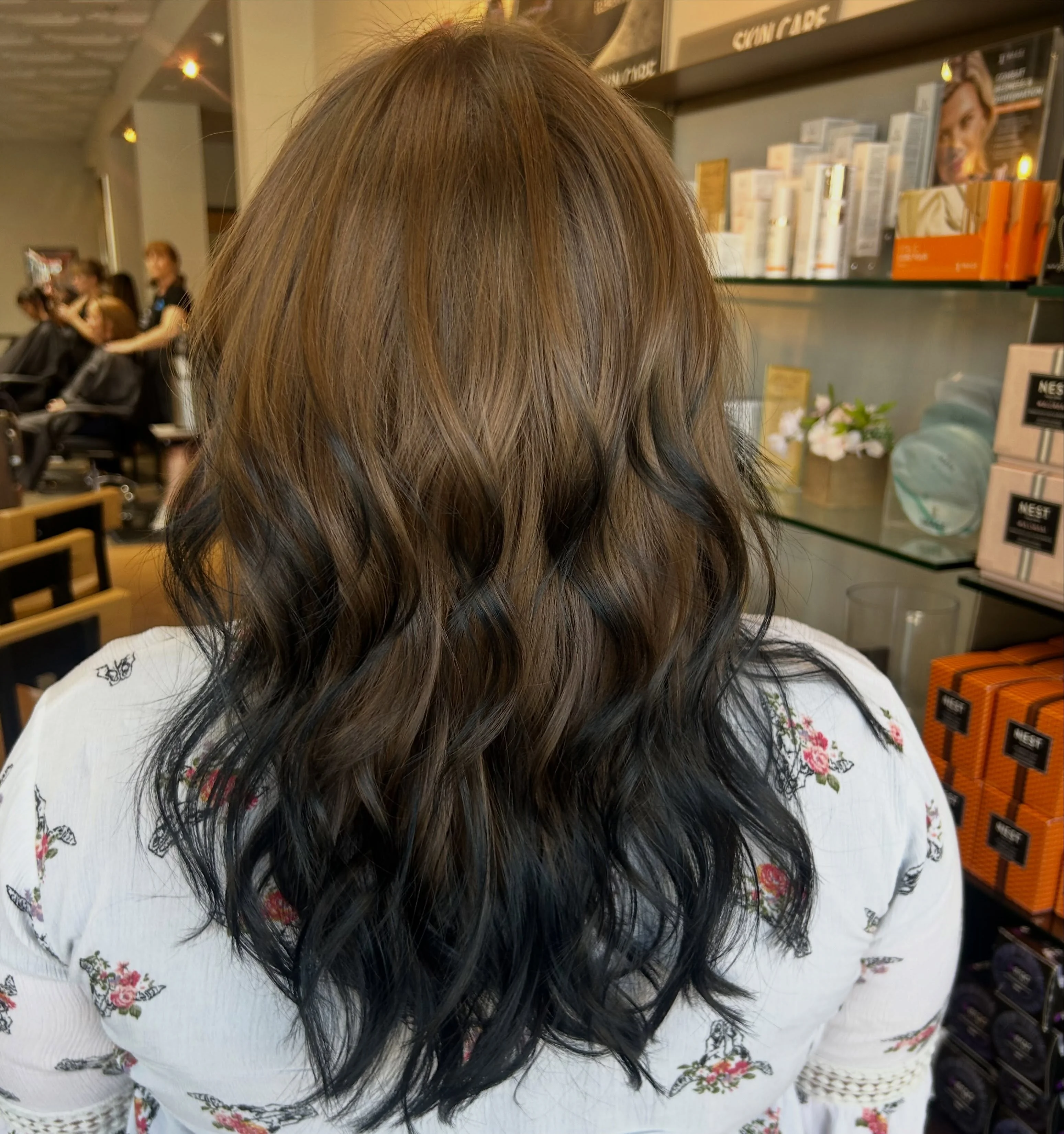
Light brown on top transitions into dark black ends in shoulder length, loose waves. The shorter length makes the gradient quicker and clearer, with the darker shade arriving sooner than in very long styles. Waves soften the meeting point, so the colour looks blended rather than dipped.
This suits medium length, wavy hair and people who want reverse ombre without the upkeep of very long coloured ends. It flatters most face shapes, since the darker ends frame the jaw and shoulders neatly.
Scrunch a curl cream into damp waves instead of brushing them out dry, so the waves keep their shape and the darker ends stay defined.
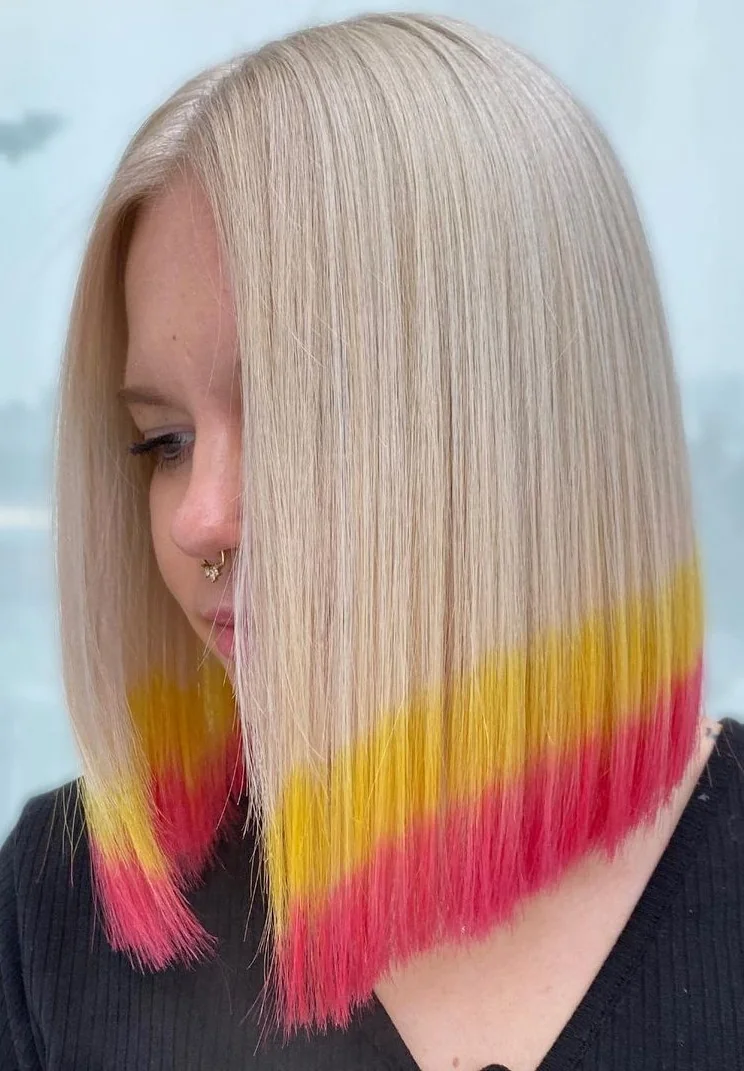
15. Blonde Dip Dye with Yellow and Pink Tips
 Pin
Not ready to commit to one end colour? Light blonde on top keeps the style bright, while yellow and bubble gum pink tips add a playful, dip dye finish. The colour sits mainly at the very ends, so it feels like an accent rather than a full colour change.
This suits medium length hair, especially a lob, and fine to medium textures that show tip colour clearly. It is a fun choice for summer, festivals, or anyone testing fantasy colour for the first time.
Apply a colour safe mask to the tips only after washing, since the blonde top does not need the same pigment top up as the yellow and pink ends.
How to Care for Reverse Ombre Hair Color
- Wash less often, and always with a colour safe, sulfate free shampoo.
- Rinse with cool or lukewarm water to slow fading, especially for red, pink, blue, and orange ends.
- Use a toning shampoo or conditioner matched to your root shade, not to your end shade, so the top stays even.
- Apply masks and oils mainly to the mid lengths and ends, where colour and dryness show first.
- Protect coloured ends from heat and sun with a heat protectant and a UV spray.
- Refresh vivid ends with a gloss or colour depositing treatment before they fade unevenly.
- Trim ends regularly, since darker tips make split ends easier to notice.
Frequently Asked Questions
What is reverse ombre hair color?
Reverse ombre hair color starts light at the roots and gets darker toward the ends. It is the opposite of classic ombre, where dark roots lighten into blonde tips.
Does reverse ombre work on all hair types?
Yes, in principle. Straight hair shows the gradient most clearly, wavy hair softens it, and layered hair lets the darker shade appear in stages. The key is choosing an end colour that your hair can hold.
Is reverse ombre hard to maintain?
It depends on the end colour. Natural brown and black ends are lower maintenance, while red, pink, blue, and orange ends fade faster and need toning or gloss refreshes.
Can I try reverse ombre if my hair is short?
Yes, but the gradient will be shorter and clearer. Shoulder length hair works well, while very short hair may show more of a two tone effect than a gradual melt.
How do I choose an end colour?
Start with your skin tone and your comfort level. Cooler tones suit blue, purple, and magenta, warmer tones suit red, burgundy, and orange, and brown or black ends suit anyone wanting a softer change.
Will the darker ends damage my hair?
Going darker is usually gentler than lightening, but any colour work needs care. Keep ends conditioned, limit heat, and trim regularly to keep the darker lengths looking healthy.
Shortcut Summary
- If you want a bold statement, look at 1, 4, and 7.
- If you want a soft, wearable change, look at 8, 11, and 14.
- If you want pink, look at 2, 9, and 15.
- If you want blue or purple, look at 3, 6, and 13.
- If you want a warm, classic finish, look at 5 and 12.
- If you want a gentle first fantasy colour, look at 10.
Final Thoughts
Choosing reverse ombre hair color comes down to three decisions: how bold you want the ends, how long you want the gradient to be, and how much upkeep you are happy with. Natural ends keep things simple, while vivid ends ask for a little more care and give a lot more impact in return.
Use the photos as your guide, not just the colour names. Two looks with the same end colour can feel very different once you factor in length, waves, and where the darker shade begins.
Save two or three photos that keep catching your eye, compare them side by side, and take the one that feels most like you. That shortlist is usually the best place to start.
